
How Weather Affects YOUR Vehicle Graphics
Vehicle graphics are designed to withstand the elements, but like any outdoor material they are constantly exposed to changing weather conditions. In the UK, vehicles experience a mix of rain, cold winters, warmer summers and increasing sunlight levels throughout the year. Over time these environmental factors can influence how vehicle wraps and graphics look and perform.
Understanding how weather affects vehicle graphics helps businesses protect their branding investment and keep their vehicles looking professional on the road.

The UK Climate and Why It Matters for Vehicle Graphics
Vehicles in the UK face a wide range of weather conditions. According to the Met Office, climate records show long-term variation in temperature, rainfall and sunshine across the country, with measurable climate data recorded for over a century.
In recent years, sunshine levels have also increased. The UK recorded 1,648.5 hours of sunshine in 2025, the highest level since records began in 1910.
These environmental conditions influence how vinyl materials age, particularly through UV exposure, moisture and temperature changes.

Sunlight and UV Exposure
Sunlight is one of the most significant factors affecting vehicle graphics.
Even in the UK, ultraviolet (UV) rays from the sun can gradually cause colours to fade over time. The UV index in the UK can still reach strong levels during summer months, and the strength of UV radiation does not always depend on temperature. UV can be high even on cooler or cloudy days.
Over time, UV exposure can:
Fade bright colours such as reds, yellows and oranges
Reduce the contrast of logos and text
Make older graphics appear dull or worn
This is why high quality vehicle graphics typically include protective laminate layers designed to slow down UV damage.

Rain, Moisture and Road Spray
Rain is a constant part of UK weather. Vinyl graphics are waterproof and designed to handle wet conditions, but long periods of moisture can still influence their appearance.
Water itself does not damage graphics when they are installed correctly. However, rain can carry dirt, pollutants and road grime which settle on vehicle surfaces. Over time this build up can dull the finish of graphics and reduce their visual impact.
Regular cleaning helps maintain the brightness of colours and the clarity of branding.

Cold Temperatures and Winter Conditions
Cold weather is another factor that affects vehicle graphics, particularly in winter.
Low temperatures can make vinyl materials slightly less flexible. Repeated cycles of freezing and thawing can gradually place stress on adhesive areas, especially around edges or joins.
Winter driving can also expose vehicles to road salt and grit. These materials are spread to improve road safety but can cause minor abrasion on vehicle surfaces over time.
Washing vehicles during winter months helps remove salt and protect both paintwork and graphics.

Heat and Seasonal Temperature Changes
Temperature changes throughout the year cause vehicle panels to expand and contract.
This is completely normal, but the movement can place small amounts of pressure on vinyl graphics.
The UK climate regularly shifts between cold winter mornings and warmer summer days.
These changes mean vehicle graphics must be flexible enough to adapt to the movement of the vehicle panels underneath.
High quality vinyl films are specifically designed to accommodate these changes, which is why professional materials and installation are important.

Wind, Dirt and Road Debris
Wind itself does not usually damage vehicle graphics, but it carries dust, sand and debris which can affect their surface.
Vehicles that spend long periods on motorways or construction sites may experience more exposure to small particles that gradually dull the finish of the vinyl.
Protective laminate coatings help reduce this effect and make graphics easier to clean.

Typical Lifespan of Vehicle Graphics
Even with weather exposure, professionally installed vehicle wraps are designed to last several years.
In the UK, most commercial vehicle wraps typically last between five and seven years, depending on the quality of materials, exposure to the elements and maintenance.
Vehicles that spend more time outdoors or drive long distances may experience wear slightly faster than those stored indoors.

How Businesses Can Protect Their Vehicle Graphics
While weather exposure cannot be avoided completely, simple care can significantly extend the life of vehicle graphics.
Helpful maintenance tips include:
Washing vehicles regularly to remove dirt and road salt
Avoiding harsh chemical cleaners or abrasive brushes
Checking edges and joins occasionally for lifting
Parking in shaded or sheltered areas where possible
These small steps help maintain colour vibrancy and keep branding looking professional.
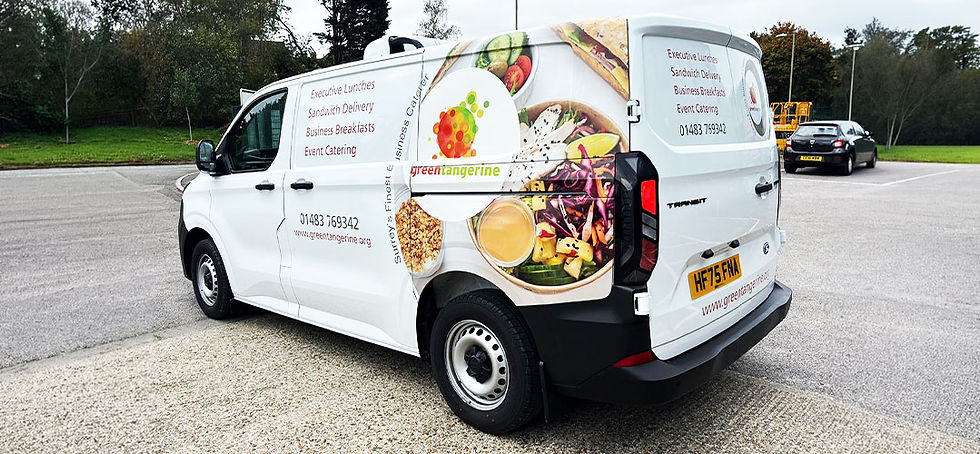
Why Quality Materials and Installation Matter
One of the biggest factors in how well vehicle graphics perform in different weather conditions is the quality of the materials used.
Premium vinyl films and protective laminates are engineered specifically for outdoor use.
When installed correctly by experienced professionals, they provide strong adhesion, flexibility and protection against UV exposure and moisture.
At FPL Signs, we use trusted materials and proven installation techniques to ensure vehicle graphics stand up to real UK weather conditions.
Final Thoughts
Vehicle graphics are built to withstand outdoor environments, but the UK’s mix of sunshine, rain, cold temperatures and road conditions can gradually affect their appearance.
By choosing high quality materials, ensuring professional installation and maintaining graphics properly, businesses can keep their vehicle branding looking sharp and effective for many years.
If you are considering new vehicle graphics or want advice on maintaining existing wraps, FPL Signs is here to help.


Comments